
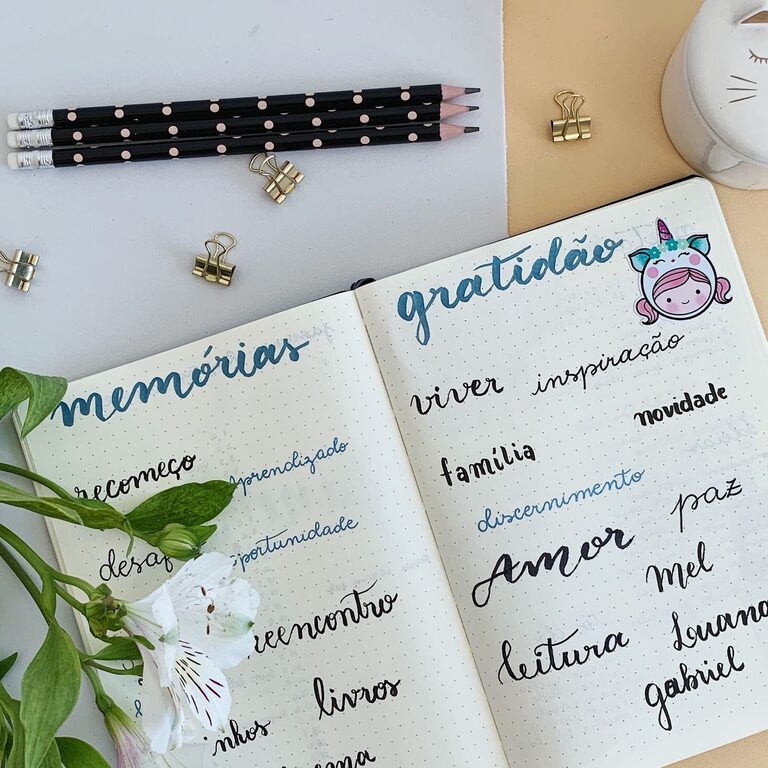
Starting a gratitude journal is a wonderful way to bring more positivity and awareness into your daily life. By regularly reflecting on the things you appreciate, you can improve your mood, reduce stress, and cultivate a more optimistic outlook. If you’ve been curious about how to begin but aren’t sure where to start, this guide will walk you through everything you need to know.
What Is a Gratitude Journal?
A gratitude journal is a personal diary where you consistently write down things you feel grateful for. These can be big or small—anything that brings a sense of thankfulness or joy. The goal is to focus your attention on the positive aspects of your day or life, which can help shift your mindset toward appreciation rather than dwelling on challenges.
Benefits of Keeping a Gratitude Journal
Before diving into how to start, it helps to understand why gratitude journaling can be so effective:
– Improved Mental Health: A regular gratitude practice can lower anxiety and depression by encouraging positive thinking.
– Better Sleep: Reflecting on the good things before bed can promote more restful sleep.
– Increased Resilience: Focusing on gratitude helps build emotional strength to face life’s ups and downs.
– Stronger Relationships: A grateful attitude often leads to kindness and better connections with others.
– Enhanced Mindfulness: Journaling increases awareness and appreciation of the present moment.
How to Start Your Gratitude Journal
1. Choose Your Journal
Pick a notebook or digital app that you enjoy using. It could be a beautiful physical journal, a simple notebook, or a note-taking app on your phone or computer. The key is to select something that feels inviting and easy to access.
2. Set a Regular Time
Consistency is important. Decide whether you want to write in your journal daily, a few times a week, or whenever you feel the need. Many people find it helpful to journal in the morning to set a positive tone for the day or at night to reflect before sleep.
3. Start Small
You don’t have to write pages every day. Begin with listing three to five things you are grateful for. These can be simple and ordinary, like a delicious cup of coffee, a phone call with a friend, or a moment of sunshine.
4. Be Specific
Instead of writing general statements like “I’m grateful for my family,” try to focus on specific moments or reasons, such as “I’m grateful for the laughter I shared with my sister today.” This helps deepen your appreciation.
5. Include Feelings and Details
Describe how these things make you feel and why they matter. Adding emotions and details makes your entries more meaningful and helps reinforce the positive feelings.
6. Use Prompts if You’re Stuck
Sometimes it’s hard to think of things to write. Here are some prompts to get you started:
– What made you smile today?
– Who in your life are you thankful for and why?
– What is a small pleasure you noticed recently?
– What is something you take for granted that you’re grateful for?
– What challenges taught you something valuable?
7. Mix It Up
Feel free to add variety by including drawings, photos, quotes, or anything that inspires gratitude. This can keep the practice fresh and enjoyable.
8. Reflect Occasionally
Every few weeks, look back through your entries. This reflection can reinforce the positive impact and encourage continued journaling.
Tips for Maintaining Your Gratitude Journal
– Keep it Visible: Place your journal somewhere you’ll see it daily, like your nightstand or desk.
– Make it Enjoyable: Use colorful pens or stickers if that motivates you.
– Don’t Judge Yourself: Write honestly without worrying about grammar or style.
– Stay Flexible: It’s okay to skip days or write longer entries when inspired.
– Pair with Other Practices: Combine journaling with meditation, deep breathing, or mindful walks for added benefits.
Overcoming Common Challenges
“I don’t have time.”
Journaling only takes a few minutes. Even jotting down one thing you are grateful for can be effective. Try setting a timer for 3–5 minutes.
“I can’t think of anything to be grateful for.”
Start with the basics, like food, shelter, or nature. Gratitude doesn’t mean ignoring problems—it’s about balancing your perspective.
“I forget to journal.”
Set a daily reminder on your phone or link journaling with an existing habit like brushing your teeth or having your morning coffee.
Final Thoughts
Starting a gratitude journal is a simple but powerful way to cultivate happiness and mindfulness. By focusing on the good in your life, even during challenging times, you can nurture a more positive mindset. Remember, there’s no right or wrong way to journal—just begin where you are, and enjoy the journey of discovering daily gratitude.